

Military veterans have a lot to offer the business world, as the co-founders of To Exceed know first-hand. Chris Gabbard grew up in a military family and Dave Gabbard served in the US Signal Corps from 1975 to 1979. At To Exceed, we believe that more employers should make a point of recruiting and hiring veterans. The military teaches professional discipline and shapes your character in profound ways. Veterans should also be reminded about resources available for Veteran-Owned Businesses and entrepreneurs who served.
Dave Gabbard’s Service
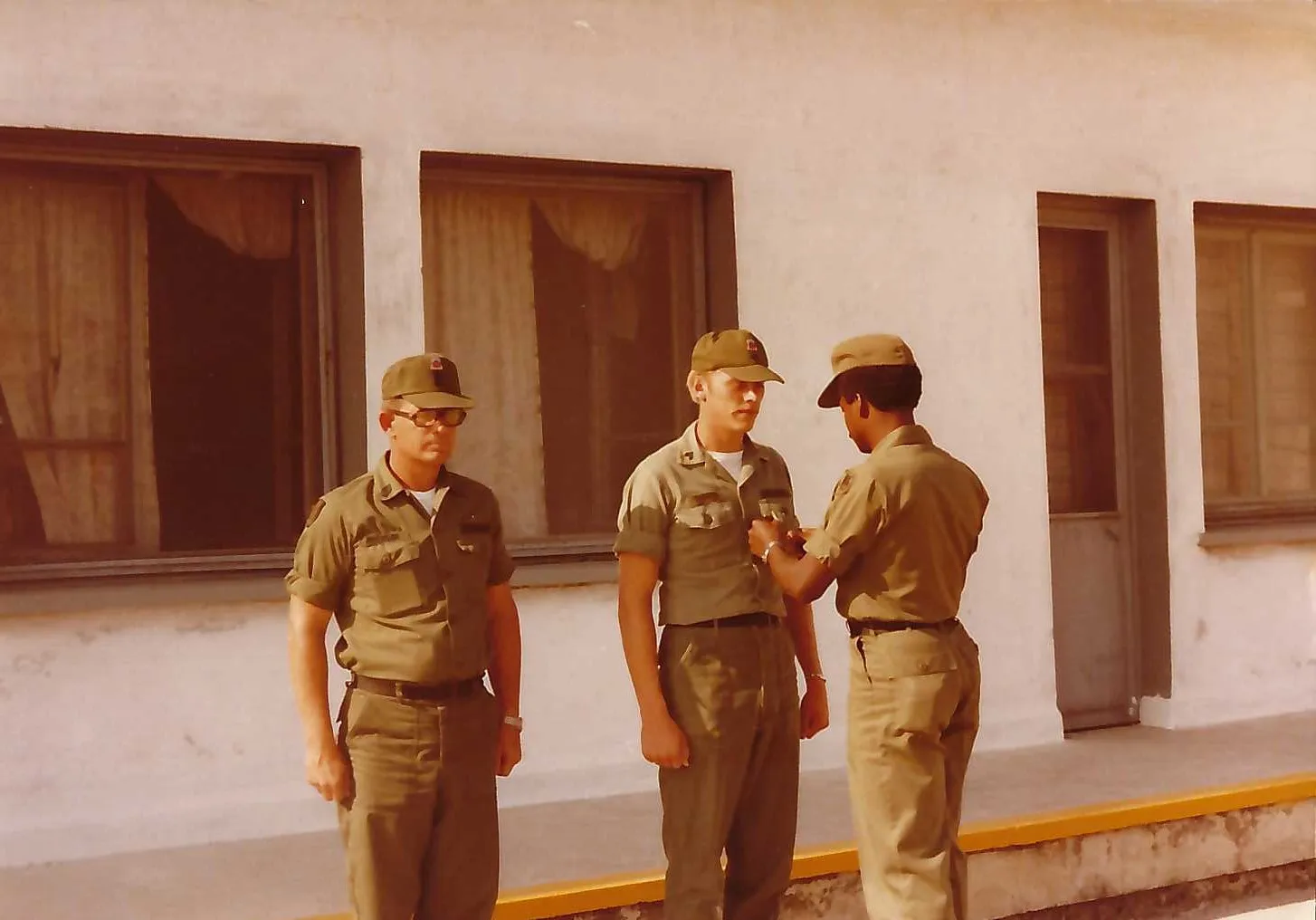
The US military became an all-volunteer army in 1973, and Dave Gabbard enlisted two years later. An honor graduate in a Signal Corps Training class of 300, Dave was sent to the 194th Armored Brigade Signal Platoon at Fort Knox, KY in July of 1976. In July of 1977, Dave was chosen for special assignment to support a NATO communications outpost in Cakmakli, Turkey. A year later, he received an accelerated promotion to Sergeant E-5, at which time he was transferred to Fort Lewis, WA to become Communications Sergeant for the headquarters unit of the 3/5 Air Cavalry.
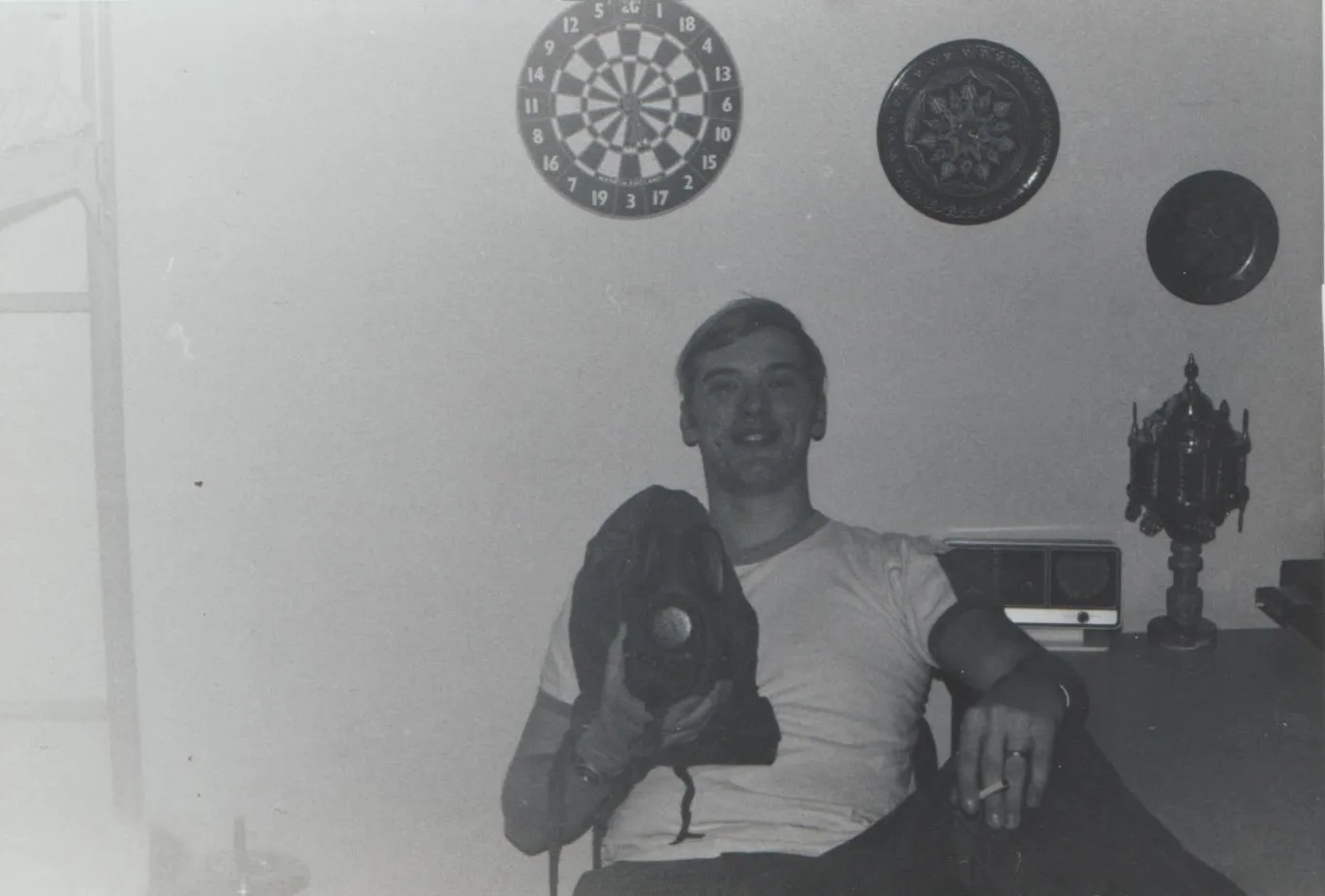
“The NATO Unit in Turkey was my most rewarding assignment even though it was tough,” Dave said, “There were just a hundred of us and we were attached to a Turkish battalion of a couple hundred. We could only call home once a month for five minutes on a satellite phone.”
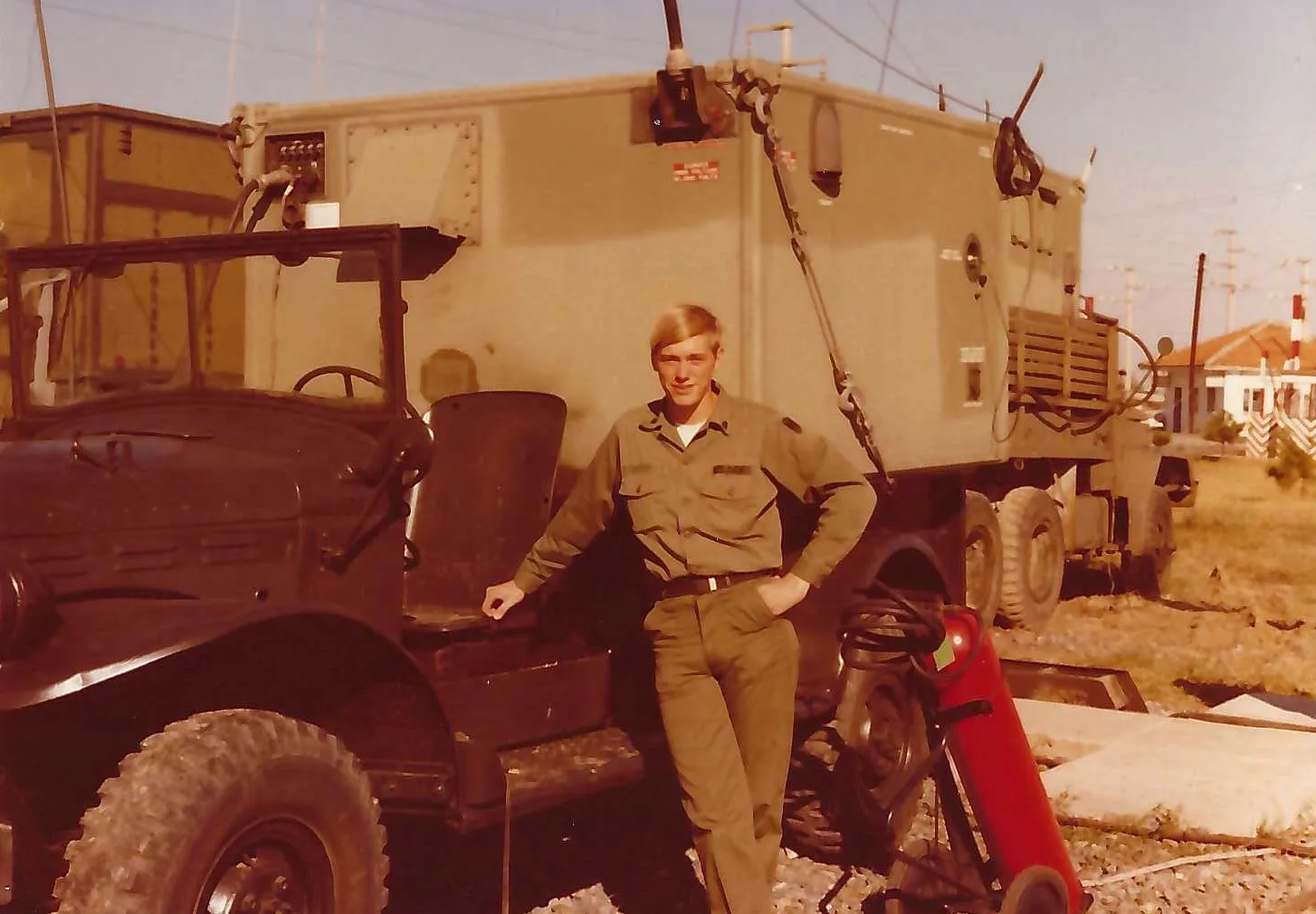
About three hours away, Incirlik Airforce Base offered a bigger PX (post exchange), a movie theater, and a beach on the Sea of Marmara. On the weekends, Dave traveled to Greece, Italy, and other parts of Turkey. After about four months in Turkey, a few of the soldiers rented an apartment in Istanbul together, and Dave spent the rest of his weekends in the country’s largest city, enjoying doner kebab and glass mugs of Tuborg, a local Turkish beer. Saturdays at the Turkish bath were another highlight. Four Lira (or about $1.50 USD) paid for two or three hours of sauna, saltwater pool, and massage. The weekend excursions were a welcome break, but then Dave would be back to guarding a remote outpost on Monday.
Professional Life After the Army
The End Term of Service (ETS) came in December of 1979, but Dave’s military skills and discipline stayed with him. The military teaches you about the importance of schedules and doing things the “right” way. At least in theory, the Standard Operating Procedure (SOP) should be the most efficient way to accomplish a certain task. “Everything has a process in the military,” Dave said, “You always knew what to do and how to do it.” Soldiers may need to adapt the SOP to the circumstances in the field, but clear procedures keep you from twiddling your thumbs, wondering what to do next.
Civilians without military experience often struggle to follow procedures in the workplace. They’ve never had to dig a latrine to spec., and it shows. Many of the skills developed in the military are directly applicable to the business world:
- Work Ethic: Veterans “show up” daily. They can stick to a schedule and perform well under pressure. Deadlines and impatient customers cause stress, but the intensity doesn’t rise to the level of life-or-death scenarios in the military.
- Discipline: In a structured environment (treated with respect) veterans know how to complete tasks and follow procedures. In an era of short attention spans, employers appreciate workers who follow through.
- Teamwork: Everyone in the military works as part of a team. Many veterans can take charge as needed. Clear communication skills make it easier to collaborate with different personality types and people from diverse backgrounds.
- Motivation: Serving your country isn’t the easiest way to earn a paycheck. If your company provides clearly defined expectations, meaningful work, and worthwhile compensation, then veterans can get the job done.
Some veterans struggle with PTSD after their return home. The Wounded Warrior Project has great resources for individuals and families grappling with PTSD and other wounded service members.
Starting a Business After Military Service
There are perks and drawbacks to starting your own business after the military. In many industries, it’s great to learn the basics while working for somebody else. Dave Gabbard was successful as a serial entrepreneur after his military service, but at the age of 35, he took a more conventional job for the security of benefits and a retirement plan. At the age of 51, Dave decided it was time to go back to his independent roots.
A military veteran who had already succeeded in business, Dave had the confidence to leave the security of a “normal” job. He struck out on his own once again, a path that eventually led to founding To Exceed, LLC with his wife Chris. When you see a business opportunity and you have the capital to get started, veterans should make use of available resources:
- The Veteran Entrepreneur Portal (VEP) is a collection of resources assembled by the VA, with direct access to the resources necessary to guide every step of entrepreneurship.
- The Office of Veterans Business Development within the U.S. Small Business Administration (SBA) has several programs, including online Boots to Business (B2B) training and in-person Reboot courses.
- The Entrepreneurship Bootcamp for Veterans (EBV) is a hybrid program with online and in-person training at various universities, with travel and lodging provided for post-9/11 vets.
- Look for local connections through your Chamber of Commerce, Small Business Administration (SBA), and Small Business Development Centers in your region.
Other programs are listed in U.S. Veteran Magazine. Grant programs like the angel investment group Hivers and Strivers can help with startup capital and growing your new business. Forbes has a list of grant opportunities for veterans and other resources.
Even if you aren’t currently looking for digital marketing services from To Exceed, we’d still like to hear about your veteran-owned business. Connect with us on LinkedIn or send us an email anytime.